
Introduction
Electricity is an essential part of modern life and the foundation of electronics, but it can also be dangerous if not handled properly. For beginners in electronics and electrical work, understanding and following basic electrical safety rules is not optional—it is absolutely critical. Even low-voltage circuits can cause injury, damage equipment, or lead to fire hazards if safety precautions are ignored.
Many electrical accidents happen not because electricity is unpredictable, but because basic safety rules are overlooked. Simple mistakes such as touching live wires, using damaged tools, overloading circuits, or working without proper insulation can result in electric shock, burns, fires, or even fatal injuries. Learning electrical safety early helps build good habits that protect both people and equipment throughout an electronics journey.
This comprehensive beginner-friendly guide explains essential electrical safety rules, common hazards, safe working practices, protective equipment, and practical precautions every beginner must follow. Whether you are experimenting with small electronic circuits, repairing household appliances, or learning electronics academically, these safety rules will help you work confidently and responsibly.
Why Electrical Safety Is Important
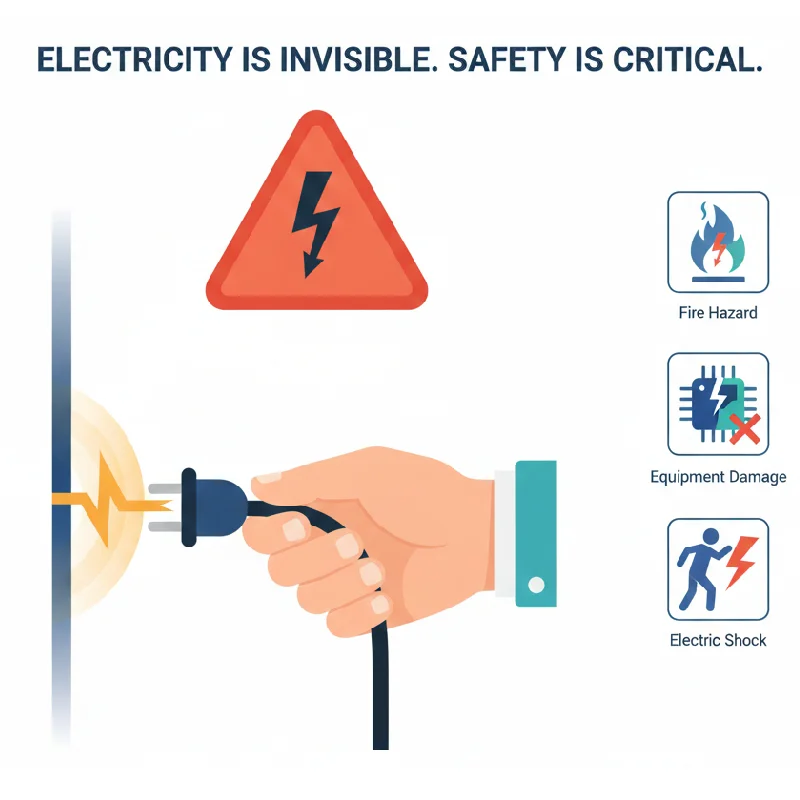
Electrical safety is important because electricity can:
- Cause electric shock
- Produce excessive heat
- Start fires
- Damage electronic components
- Cause long-term injuries
Electricity is invisible, which makes it more dangerous than many mechanical hazards. You cannot see a live wire, but it can still carry lethal energy. Proper safety practices reduce risks and ensure that learning and working with electronics remains safe.
Understanding Electrical Hazards
Before learning safety rules, it is important to understand the common hazards associated with electricity.
Electric Shock
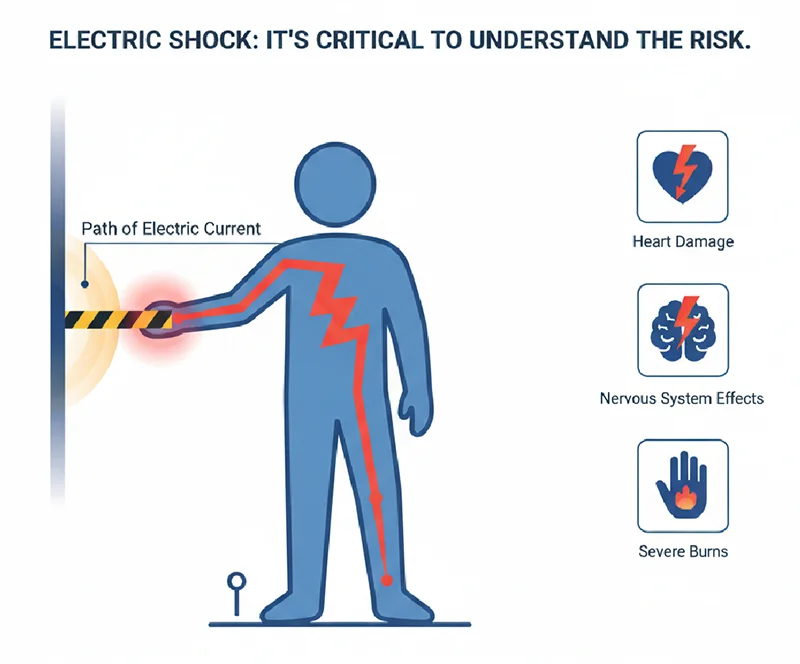
Electric shock occurs when current passes through the human body. The severity depends on:
- Current magnitude
- Voltage level
- Duration of contact
- Path through the body
Even small currents can be dangerous under certain conditions.
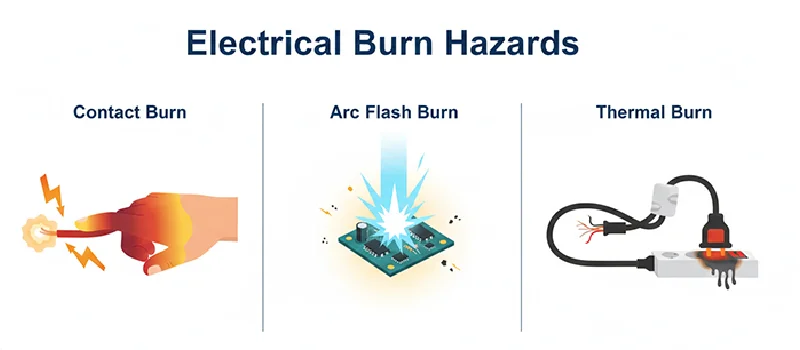
Electrical Burns
Electrical burns can occur due to:
- Contact with live conductors
- Arc flashes
- Overheated components
These burns are often deeper than they appear and require medical attention.
Fire Hazards
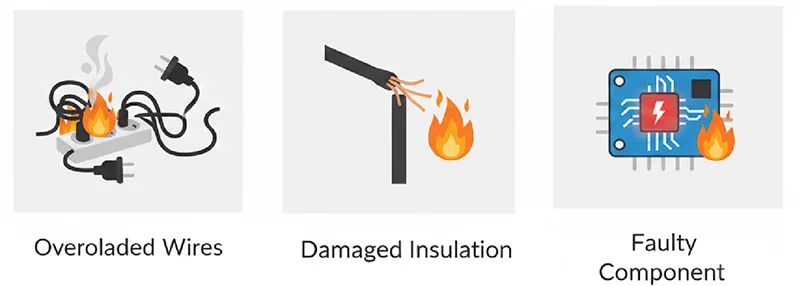
Electrical fires can start due to:
- Short circuits
- Overloaded wires
- Faulty insulation
- Poor connections
Fire hazards are common in improperly designed or repaired circuits.
Equipment Damage
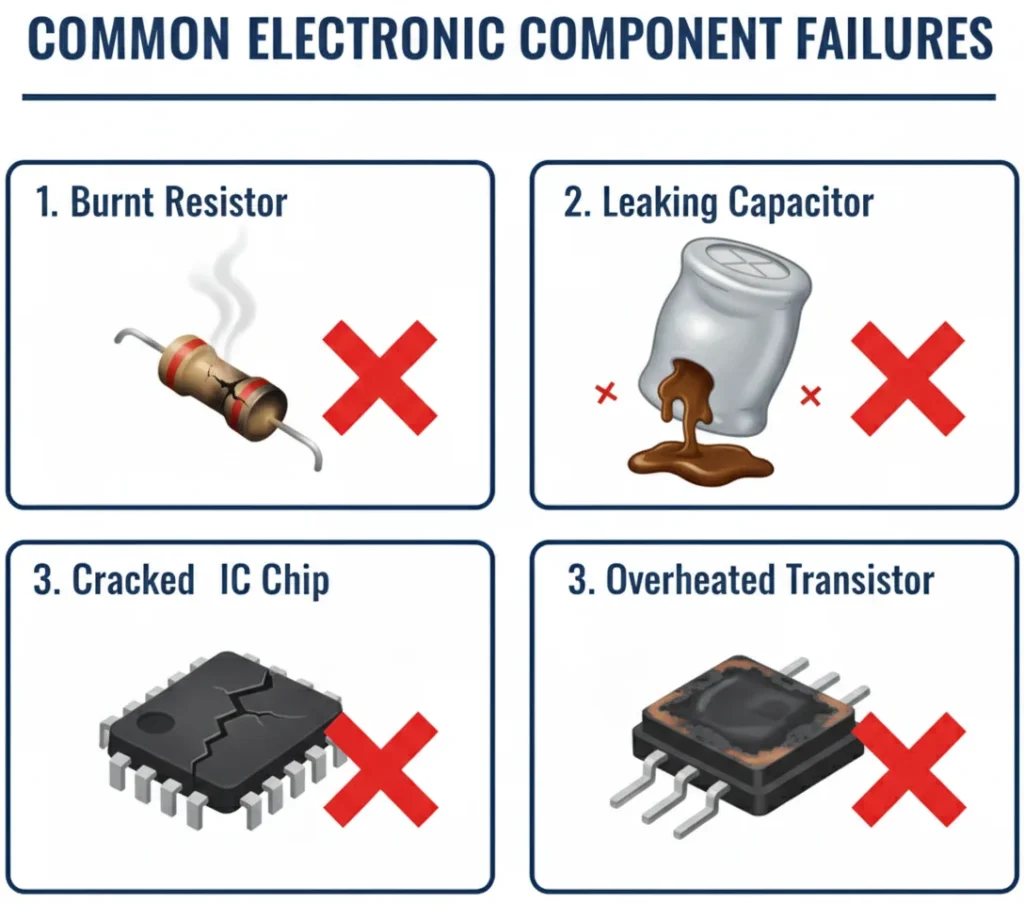
Improper handling of electricity can damage:
- Components
- Power supplies
- Measurement instruments
- Circuit boards
Basic Electrical Safety Rules for Beginners
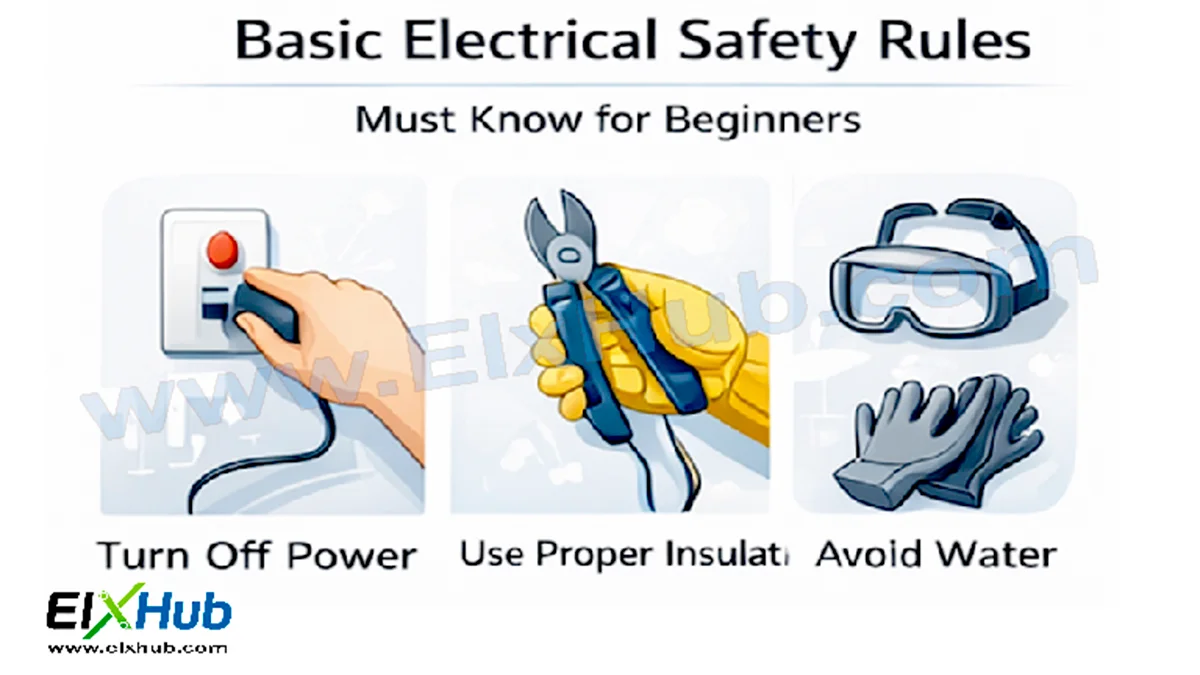
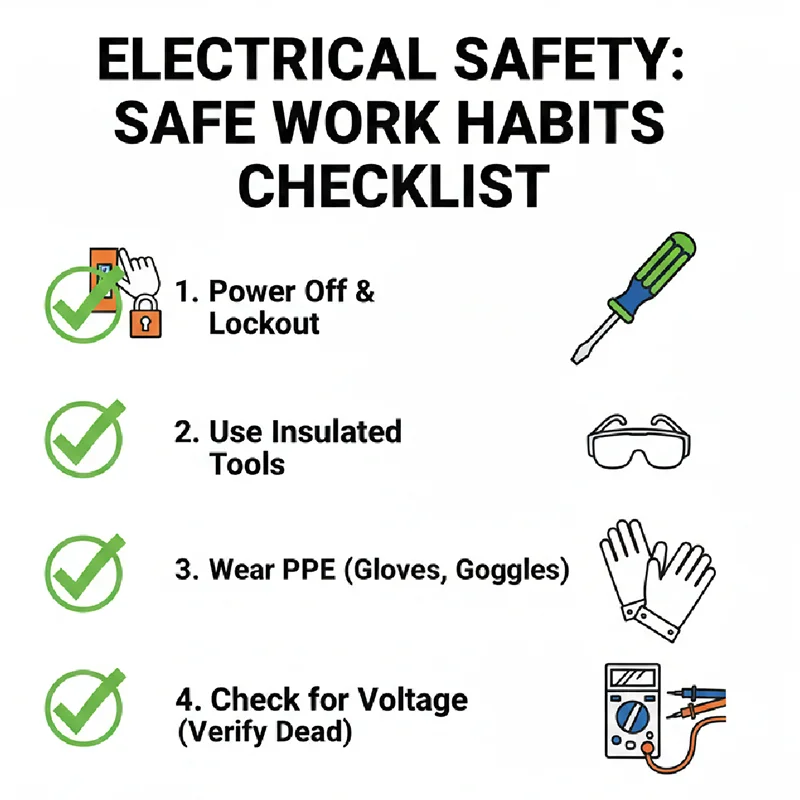
Always Turn Off Power Before Working
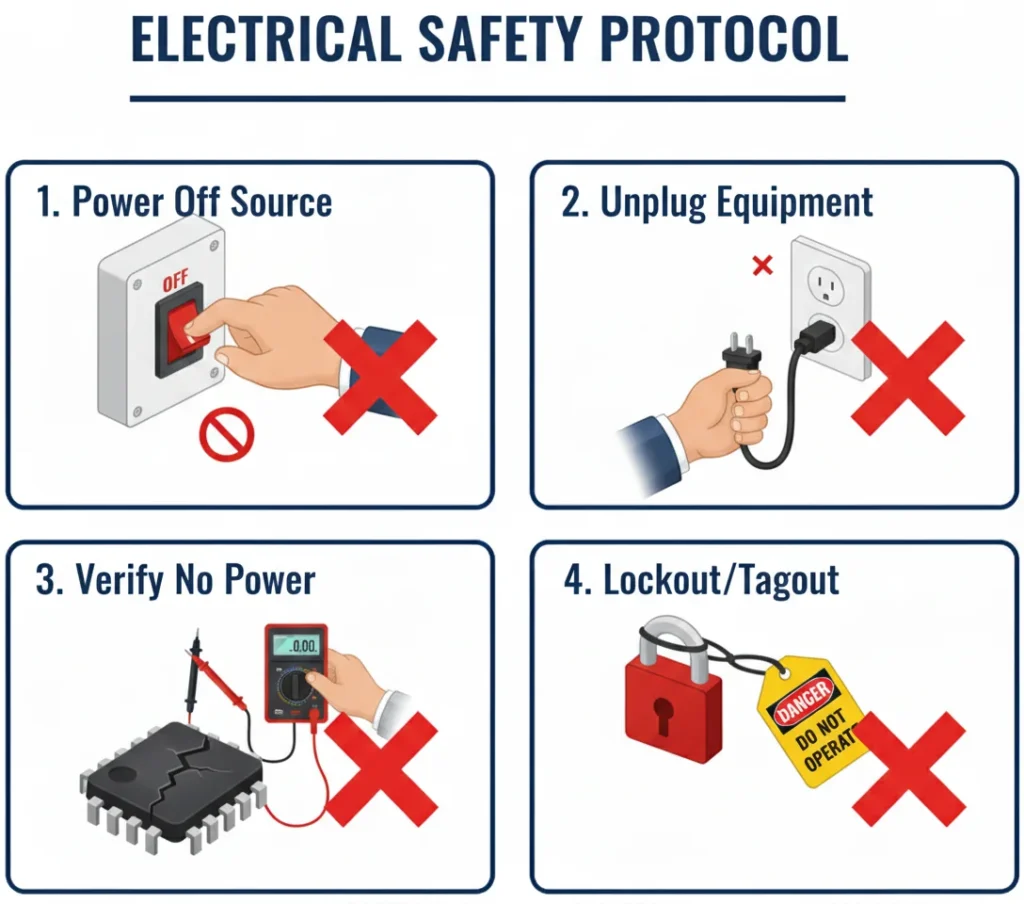
One of the most important safety rules is to always turn off the power supply before working on any circuit.
Never assume a circuit is off. Always:
- Switch off the power
- Unplug the device
- Verify with a tester
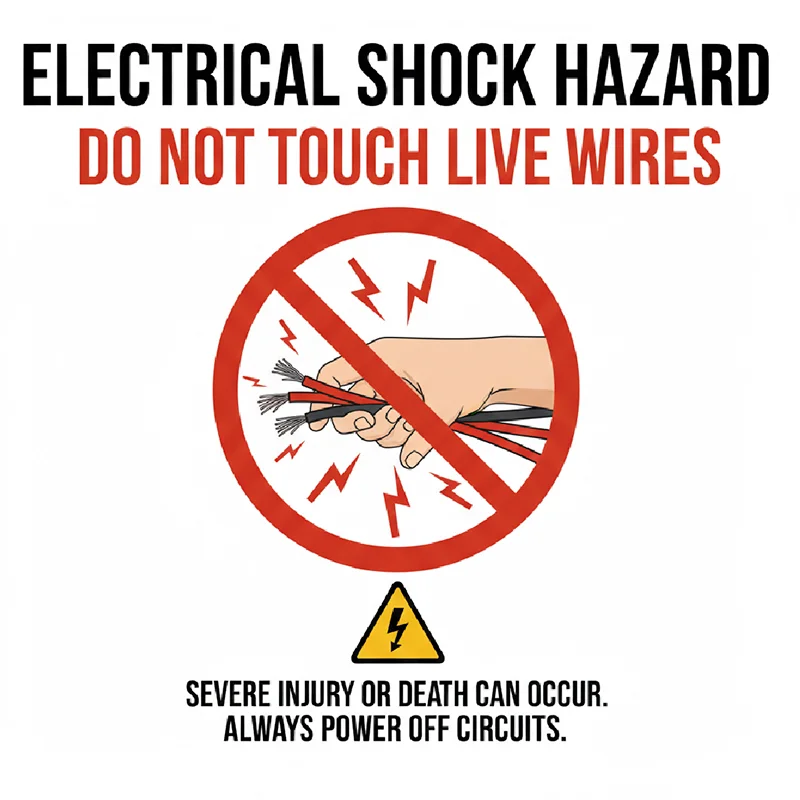
Never Touch Live Wires
Avoid touching live wires or exposed conductors, even if the voltage seems low. Moisture, sweat, or damaged skin can increase the risk of shock.
Use Proper Insulated Tools
Always use tools with insulated handles when working with electrical circuits.
Examples:
- Insulated screwdrivers
- Insulated pliers
- Insulated wire cutters

| Tool Type | Safety Feature |
|---|---|
| Screwdriver | Insulated handle |
| Pliers | Rubber coating |
| Cutter | Insulated grip |
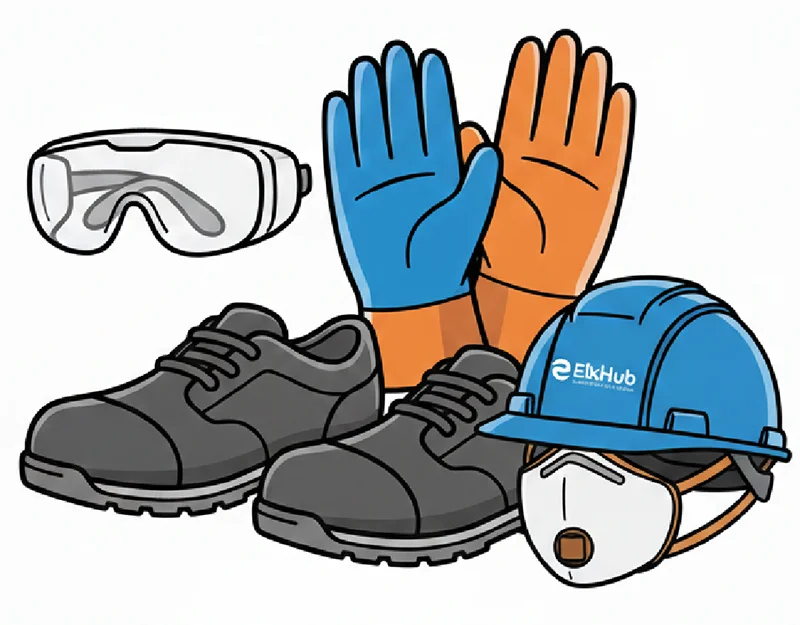
Wear Appropriate Protective Equipment
Personal protective equipment (PPE) reduces the risk of injury.
Common PPE includes:
- Safety goggles
- Insulated gloves
- Closed shoes
Avoid Working with Wet Hands
Water conducts electricity. Never work on electrical circuits with wet hands or in damp environments.

Safe Practices for Electronics Beginners
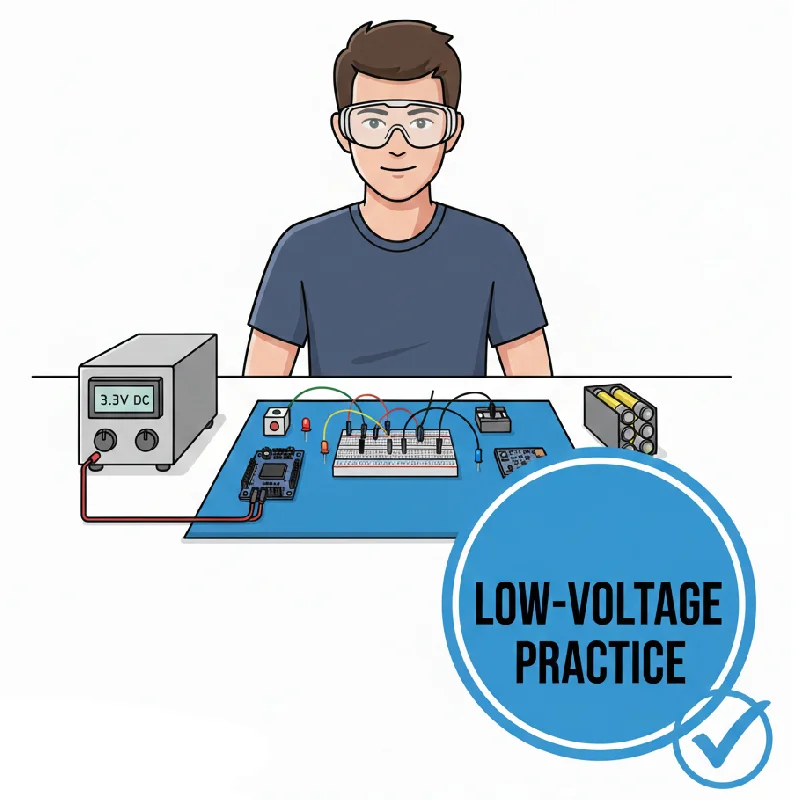
Work on Low Voltage Circuits First
Beginners should start with low-voltage circuits such as:
- Battery-powered projects
- Low-voltage DC supplies
This minimizes risk while learning.
Use Current-Limited Power Supplies
Current-limited power supplies reduce damage and improve safety during experiments.

Keep Your Work Area Clean
A clean workspace reduces accidental short circuits and mistakes.
Good practices:
- Remove loose wires
- Organize components
- Keep liquids away

Never Bypass Safety Devices
Do not bypass:
- Fuses
- Circuit breakers
- Protective resistors
These components are designed to protect circuits and users.

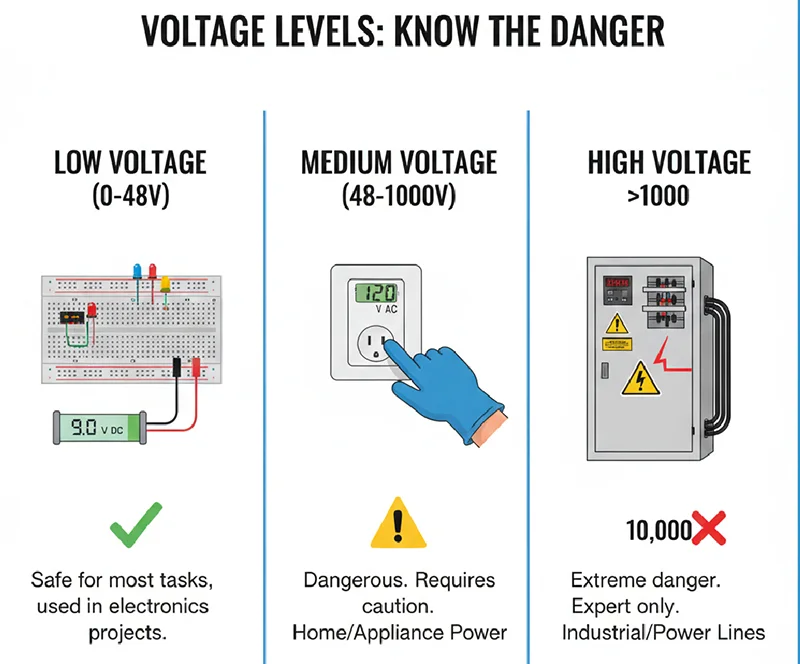
Understanding Voltage Levels and Safety
Different voltage levels present different risks.
| Voltage Range | Risk Level |
|---|---|
| Low voltage | Generally safer |
| Medium voltage | Shock risk |
| High voltage | Severe danger |
Always treat unknown voltage sources as dangerous.
Proper Handling of Electrical Wires
Inspect Wires Before Use
Check for:
- Cracks
- Exposed conductors
- Loose insulation

Use Correct Wire Ratings
Wires should be rated for:
- Current
- Voltage
- Temperature
Using undersized wires can cause overheating.

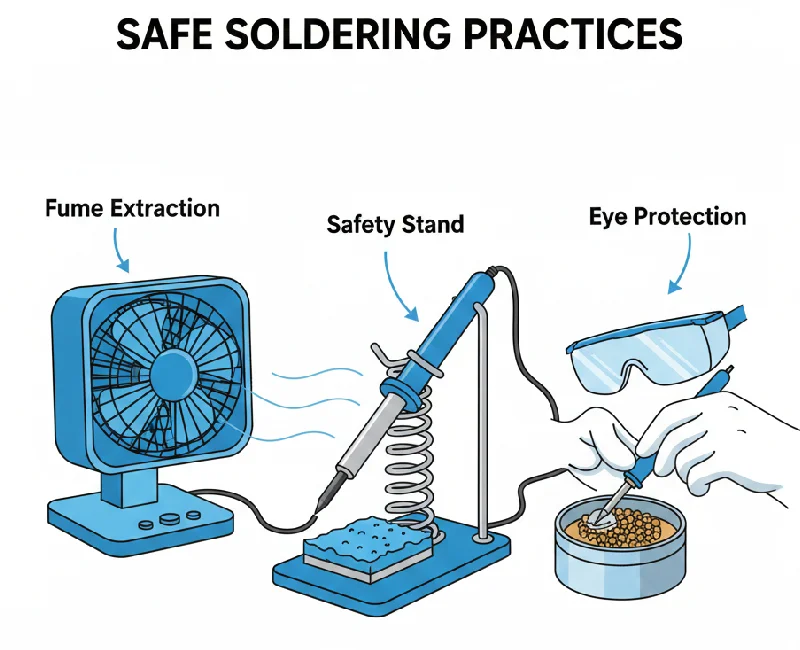
Safety While Soldering
Soldering introduces additional safety concerns.
Safety tips:
- Avoid touching hot soldering iron
- Use a soldering stand
- Work in ventilated area
- Avoid inhaling fumes
Safe Use of Measuring Instruments
Measurement tools like multimeters must be used correctly.
Guidelines:
- Select correct range
- Check probe condition
- Never exceed rated voltage

| Instrument | Safety Tip |
|---|---|
| Multimeter | Correct range |
| Oscilloscope | Proper grounding |
| Wattmeter | Rated limits |
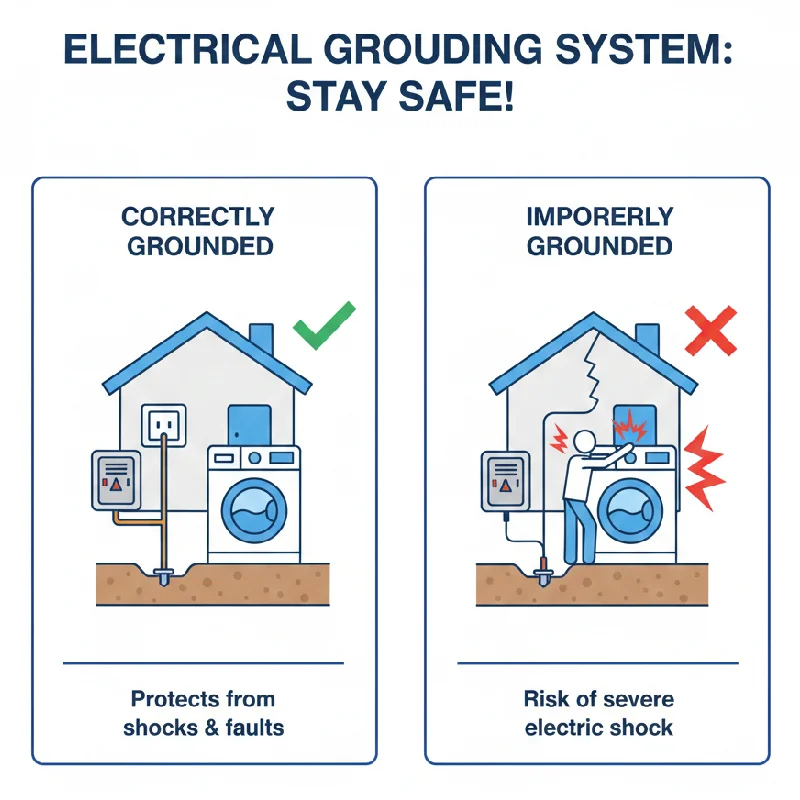
Grounding and Earthing Safety
Grounding provides a safe path for fault currents and protects users.
Benefits of grounding:
- Reduces shock risk
- Protects equipment
- Improves system safety
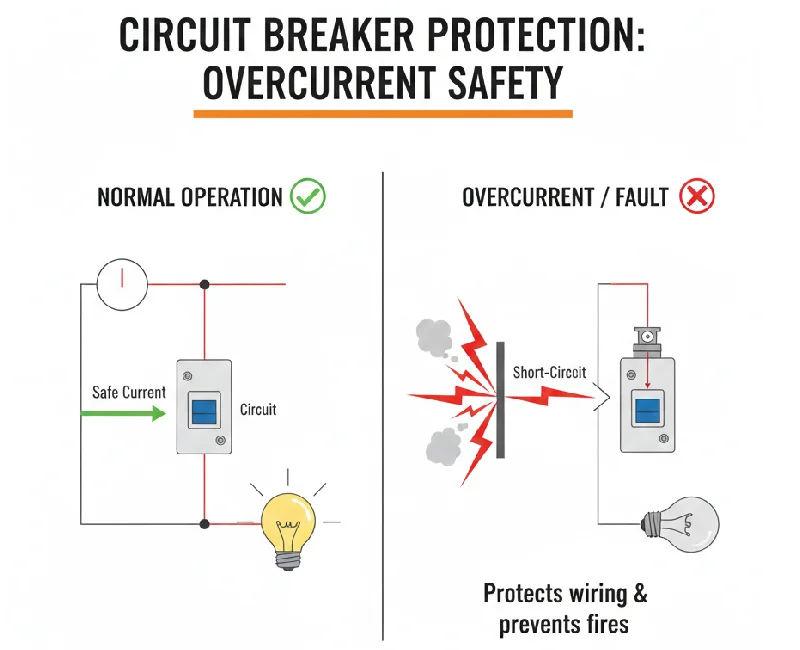
Overcurrent and Overvoltage Protection
Protection devices include:
- Fuses
- Circuit breakers
- Surge protectors
These devices prevent excessive current and voltage damage.
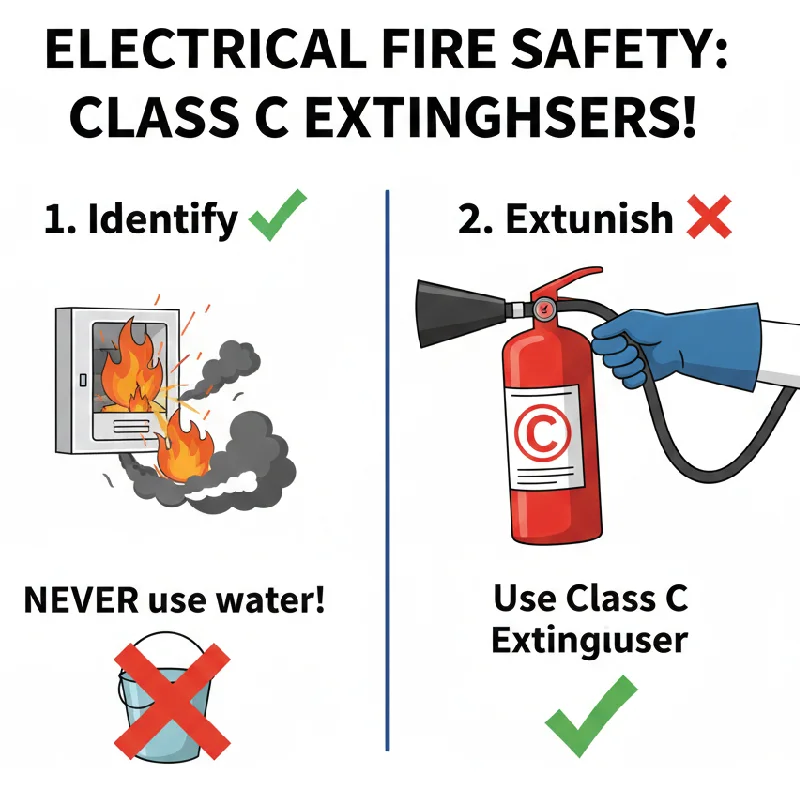
Fire Safety in Electrical Work
Basic fire safety measures:
- Keep fire extinguisher nearby
- Avoid overloading sockets
- Use proper wiring
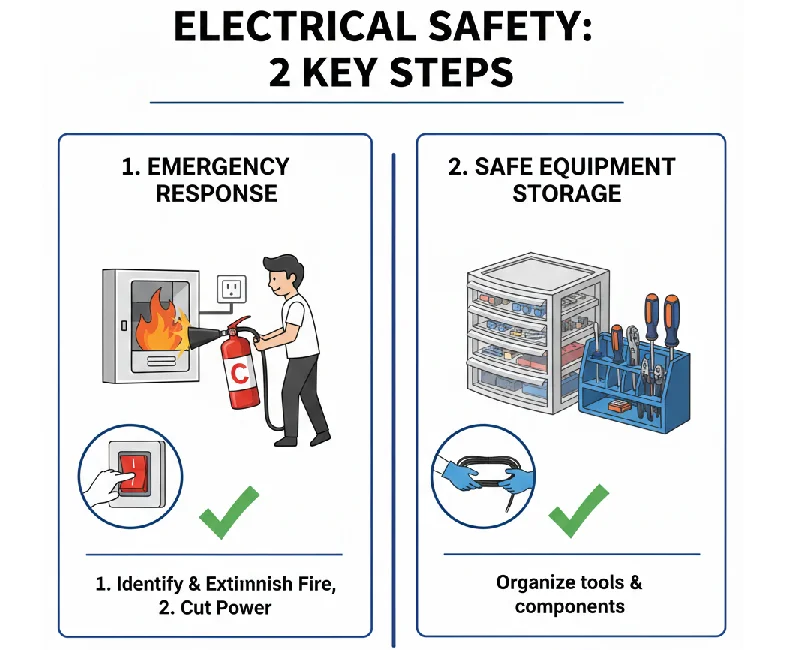
Emergency Response to Electrical Accidents
If an electrical accident occurs:
- Turn off power immediately
- Do not touch victim directly
- Call emergency services
- Use insulated material to separate victim

Safe Storage of Electrical Equipment
Proper storage reduces hazards:
- Store tools dry
- Avoid tangled wires
- Label voltage sources
Developing Safe Electrical Habits
Good safety habits include:
- Double-checking connections
- Reading ratings and labels
- Never rushing work
- Respecting electricity
Common Electrical Safety Mistakes to Avoid
Common beginner mistakes:
- Working on live circuits
- Ignoring insulation
- Using damaged tools
- Overconfidence

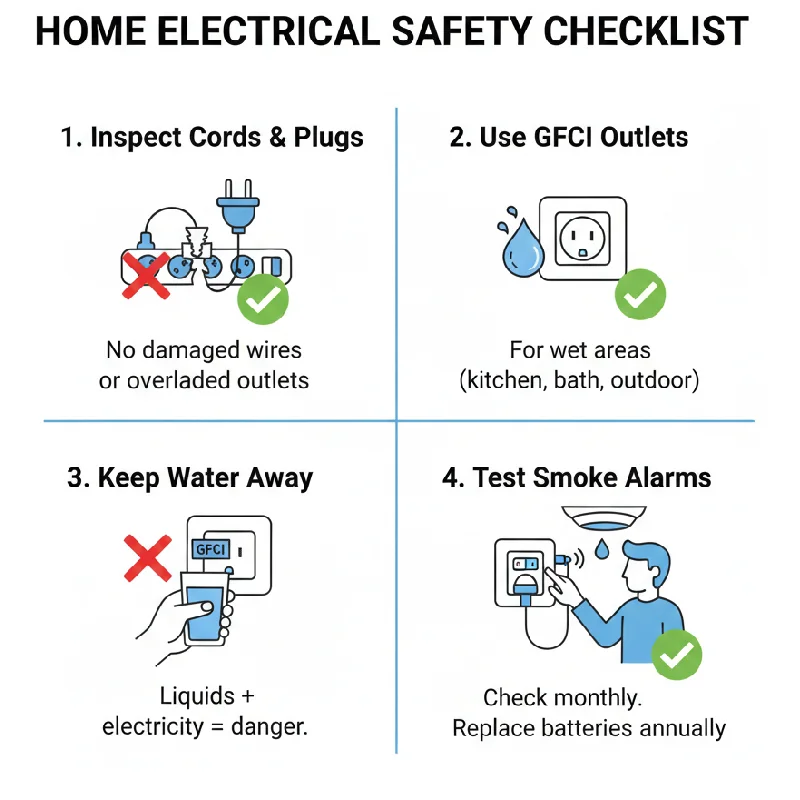
Electrical Safety at Home
At home:
- Avoid overloading outlets
- Replace damaged cords
- Keep children away from sockets
Importance of Electrical Safety Education
Electrical safety knowledge:
- Saves lives
- Prevents property damage
- Builds professional discipline
Conclusion
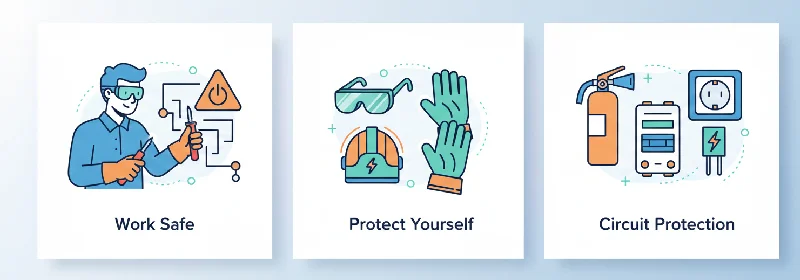
Electrical safety is the foundation of responsible electronics learning and practice. By understanding electrical hazards and following basic safety rules, beginners can protect themselves, their equipment, and their surroundings. Simple habits such as turning off power, using insulated tools, wearing protective gear, and respecting voltage ratings dramatically reduce the risk of accidents.
As you continue learning electronics, safety awareness should always come first. Knowledge and curiosity are powerful tools, but safety ensures that your electronics journey remains productive, enjoyable, and accident-free. Mastering electrical safety is not just about avoiding danger—it is about developing professionalism and confidence in every electrical task you perform.
SEO Title: Basic Electrical Safety Rules – Essential Guide for Beginners
Meta Description: Learn basic electrical safety rules for beginners. Understand electrical hazards, safety practices, PPE, tools, and essential precautions to prevent accidents.


