

Introduction
Soldering tools are among the most essential instruments in any electronics lab. From assembling printed circuit boards (PCBs) to repairing broken connections, soldering enables permanent and reliable electrical joints between components and conductors. Whether you are a beginner learning basic electronics or a professional working on complex circuits, understanding soldering tools is critical for accuracy, safety, and long-term reliability.
This guide provides a detailed overview of soldering tools used in electronics labs, their types, working principles, applications, safety practices, and selection criteria.
What Are Soldering Tools?
Soldering tools are devices used to join electronic components and wires using a molten metal alloy called solder. The solder melts at relatively low temperatures and solidifies to form a conductive and mechanical bond.
In electronics, soldering tools are used for:
- PCB assembly
- Circuit prototyping
- Repair and maintenance
- Component replacement
- Wire termination

Basic Soldering Principle
The soldering process involves three key elements:
- Heat source – melts the solder
- Solder alloy – forms the joint
- Flux – cleans oxidation and improves wetting
The soldering iron tip transfers heat to the joint, melting the solder so it flows between the component lead and the copper pad. Once cooled, a solid conductive joint is formed.
Types of Soldering Tools
1. Soldering Iron
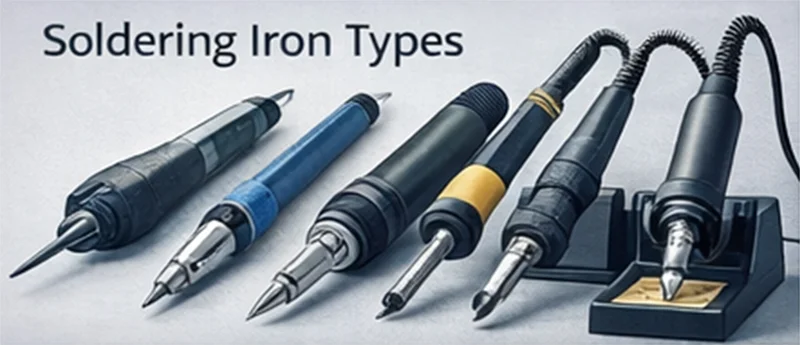
A soldering iron is the most basic and widely used soldering tool. It consists of a heated metal tip connected to an insulated handle.
Common power ratings:
- 15–30 W (small electronics)
- 40–60 W (general electronics)
- 80 W+ (heavy-duty work)
2. Temperature-Controlled Soldering Station
A soldering station includes:
- Soldering iron
- Power control unit
- Temperature adjustment
- Iron stand with sponge/brass cleaner
These stations allow precise temperature control, which is crucial for modern PCB components and surface-mount devices (SMDs).

3. Hot Air Rework Station
Hot air stations use heated airflow instead of a solid tip. They are mainly used for:
- SMD soldering
- IC removal
- Reflow soldering
- BGA repairs

4. Soldering Gun
A soldering gun heats up quickly and delivers high power. It is typically used for:
- Thick wires
- Chassis grounding
- Automotive and power electronics
Not recommended for delicate electronics due to excessive heat.
5. Desoldering Tools
Desoldering tools remove solder from joints during repair or rework.
Common types:
- Desoldering pump (solder sucker)
- Desoldering braid (copper wick)
- Electric desoldering gun
Solder Types Used in Electronics
| Solder Type | Composition | Common Use |
|---|---|---|
| Leaded solder | Tin–Lead (Sn-Pb) | Easy soldering, hobby use |
| Lead-free solder | Tin-Silver-Copper (SAC) | RoHS compliant electronics |
| Flux-core solder | Solder with internal flux | General PCB soldering |

Flux and Its Importance
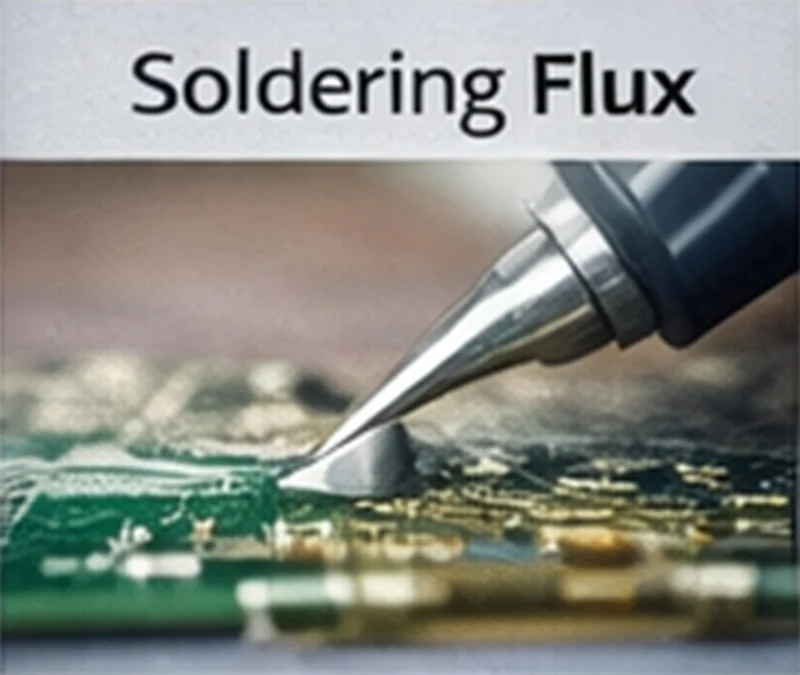
Flux removes oxidation from metal surfaces and improves solder flow. Without flux, solder joints become dull, weak, and unreliable.
Types of flux:
- Rosin flux (electronics)
- No-clean flux
- Water-soluble flux
Soldering Tips and Tip Shapes
Different soldering tasks require different tip shapes.
| Tip Shape | Application |
|---|---|
| Conical | Precision work |
| Chisel | General PCB soldering |
| Bevel | Drag soldering |
| Knife | SMD pads |

Safety Practices in Soldering
Soldering involves high temperatures and chemical fumes, making safety essential.
Key safety guidelines:
- Use proper ventilation or fume extractor
- Avoid touching hot tips
- Wear safety glasses
- Wash hands after soldering
- Keep flammable materials away
Common Soldering Defects
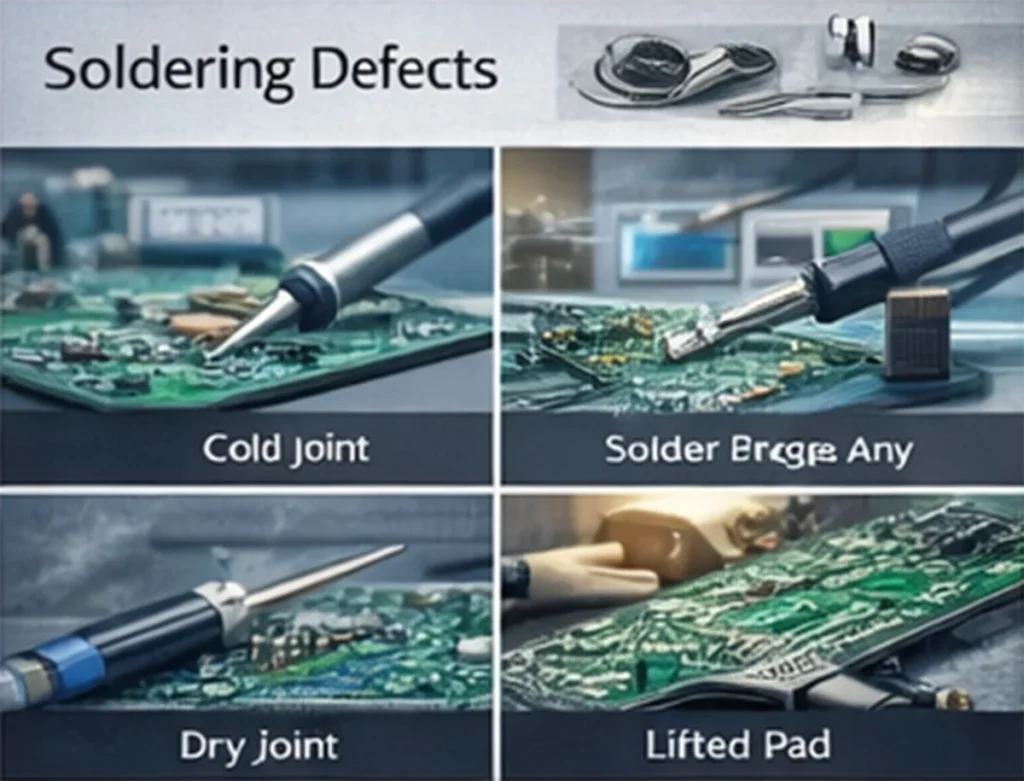
| Defect | Cause |
|---|---|
| Cold joint | Insufficient heat |
| Solder bridge | Excess solder |
| Dry joint | Poor flux action |
| Lifted pad | Excessive heat |
Applications of Soldering Tools
Soldering tools are used across many electronics fields:
- PCB assembly
- Consumer electronics repair
- IoT and Arduino projects
- Power electronics
- Automotive electronics
- Robotics
Choosing the Right Soldering Tool
For beginners:
- 30–40 W soldering iron
- Basic temperature control
- Leaded solder
For professionals:
- Temperature-controlled station
- Hot air rework station
- Lead-free compatibility

Maintenance of Soldering Tools
Proper maintenance increases tool life and performance:
- Clean tips regularly
- Tin the tip after use
- Replace worn tips
- Store tools safely
Future Trends in Soldering Technology
Modern soldering tools are evolving with:
- Digital temperature control
- Smart soldering stations
- Lead-free optimized tips
- Integrated fume extraction

Conclusion
Soldering tools form the backbone of electronics assembly and repair. From simple soldering irons to advanced rework stations, choosing the right tools ensures reliable joints, component safety, and professional results. By understanding soldering techniques, tool types, and safety practices, beginners and professionals alike can significantly improve their electronics lab skills.


